- GainGoat Fitness
- Posts
- Can Honey Actually Boost Testosterone?
Can Honey Actually Boost Testosterone?
A Closer Look at the Research
A major review published in Heliyon analyzed nearly three decades of research on honey and male hormones. It examined data from rodents, primates, and human subjects with one central goal: to determine whether honey meaningfully influences testosterone production, and why.
Across a wide range of experimental conditions, honey consistently showed a positive or neutral effect on testosterone levels. Not a single study reported a decrease. Even more interesting, several studies documented measurable hormonal changes in surprisingly short timeframes, sometimes within 14 days of daily intake. This alone makes the research worth a closer look.
What the Evidence Shows
The review’s evidence summary (Table 1 in the paper) lists 14+ studies using different honey varieties — Iranian, Malaysian Tualang, Nigerian honey, Persian honey, Indian honey, and more. Despite variations in source, dosage, and study design, the trend is striking:
Most rodent studies showed a clear increase in serum testosterone.
Two human trials found either slight increases or no negative effects whatsoever.
No study showed a reduction in testosterone levels.
The durations ranged from 2 to 13 weeks, but many effects appeared early. This suggests that honey’s impact is not dependent on long-term loading, the mechanisms begin working quickly.
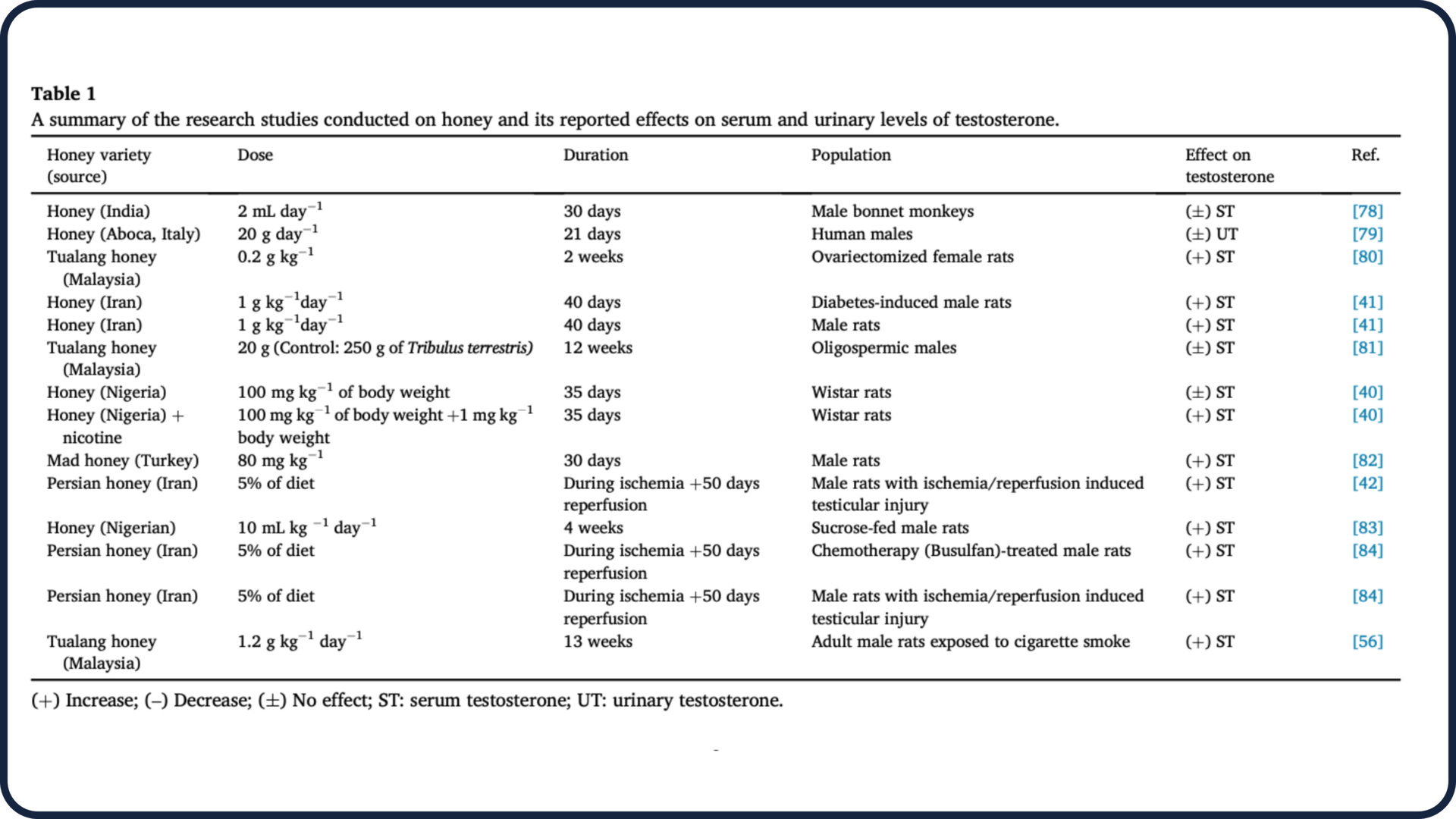
Table 1 from the study: A summary of the research studies conducted on honey and its reported effects on serum and urinary levels of testosterone.
The Mechanisms: How Honey Actually Supports Testosterone
If testosterone rises, why does it rise? The answer isn’t a single compound, it's a multi-pathway effect. Honey influences several endocrine levers at once.
Increased Luteinizing Hormone (LH)
LH is the “on switch” for testosterone production. When LH rises, the testes increase testosterone output, it’s that simple.
Several studies showed that honey elevated LH, allowing the body’s hormonal signaling to work more efficiently. This is the same pathway targeted by many expensive “test boosters,” except honey does it naturally.
Protection and Optimization of Leydig Cells
Leydig cells are testosterone factories. When they’re damaged, from:
high training volume
poor sleep
inflammation
oxidative stress
— testosterone production drops.
Honey is rich in antioxidants like quercetin, caffeic acid, ellagic acid, ferulic acid, and rosmarinic acid. These compounds reduce oxidative stress in testicular tissue and restore the machinery responsible for testosterone synthesis.
In several rodent models, honey reversed oxidative injury caused by smoking, diabetes, chemicals, and inflammation. This cellular protection is arguably one of honey’s most important hormonal benefits.
Inhibition of Aromatase (Chrysin & Quercetin)
Aromatase converts testosterone into estrogen. Honey naturally contains chrysin, quercetin, and similar flavonoids that partially block this conversion.
While not as strong as pharmaceuticals, this still creates a more favorable hormonal balance, more testosterone stays available rather than being converted away.
Upregulation of the StAR Gene (The Gatekeeper of Testosterone Production)
StAR (Steroidogenic Acute Regulatory protein) controls the rate-limiting step of testosterone production: moving cholesterol into the mitochondria of Leydig cells.
If StAR increases, testosterone synthesis accelerates.
Studies show that chrysin, a flavonoid found in honey, upregulates the StAR gene, enhancing the entire testosterone production pipeline from the ground up. Very few natural compounds act at this level.
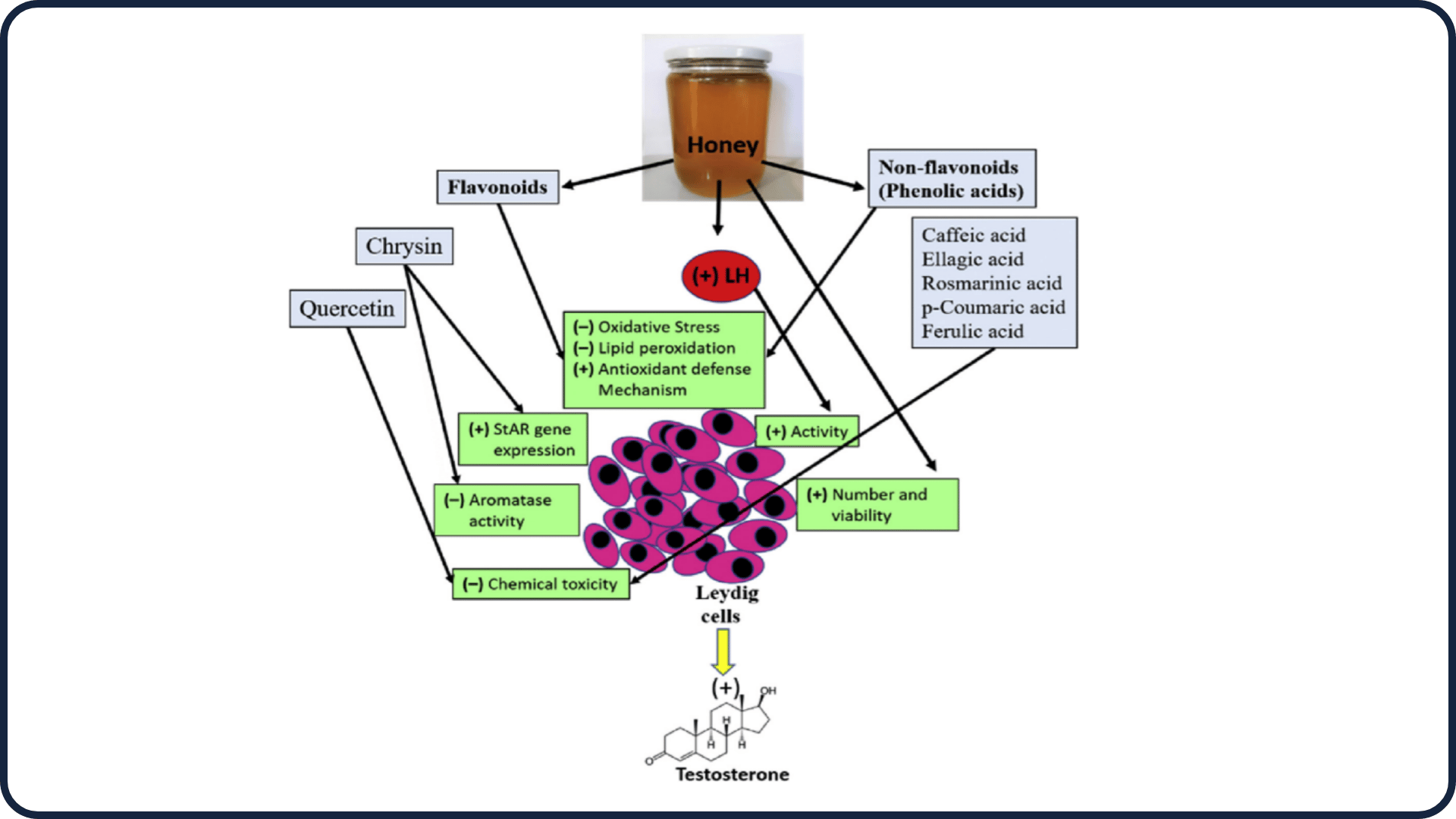
Figure 1 from the study: Mechanisms of honey on testosterone
Practical Application for Lifters
One of the strengths of this research is how simple the practical guidelines are.
How Much Honey?
Human trials used 20 g per day
(~1 tablespoon of honey).
This is the most evidence-based daily amount.
Timing
There’s no strict timing rule, but lifters may benefit from:
Pre-workout (antioxidant support + quick carbs)
Morning with protein
Afternoon during a high-stress window
Nighttime works too unless you’re sensitive to carbs before bed.
Type of Honey
Darker, polyphenol-rich honeys tend to contain higher antioxidant levels — but nearly all honey varieties in the dataset showed benefits.
What to Realistically Expect
Not a replacement for TRT
Not a steroid
Not an overnight transformation
Instead, honey supports the hormonal environment that makes higher testosterone possible, especially in individuals exposed to stressors that suppress it.
It’s one of the simplest, lowest-cost habits that supports:
recovery
cellular health
endocrine stability
long-term testosterone output
The Bottom Line
The research is clear: honey interacts with multiple biological systems that influence testosterone — LH signaling, Leydig cell protection, aromatase inhibition, and StAR activation. Its effects appear faster than expected and remain consistent across many study designs.
For serious lifters, testosterone is influenced not only by training and nutrition but by the internal environment those stressors create. Honey supports the very cells and pathways responsible for testosterone production.
It’s not hype. It’s physiology.
Consistent intake, even as simple as one tablespoon a day, can create a favorable hormonal groundwork that pays off in performance, recovery, and long-term health.
Reference
Mechanisms of Honey on Testosterone Levels
Published in ‘Heliyon’ (2019)
DOI: 10.1016/j.heliyon.2019.e02029